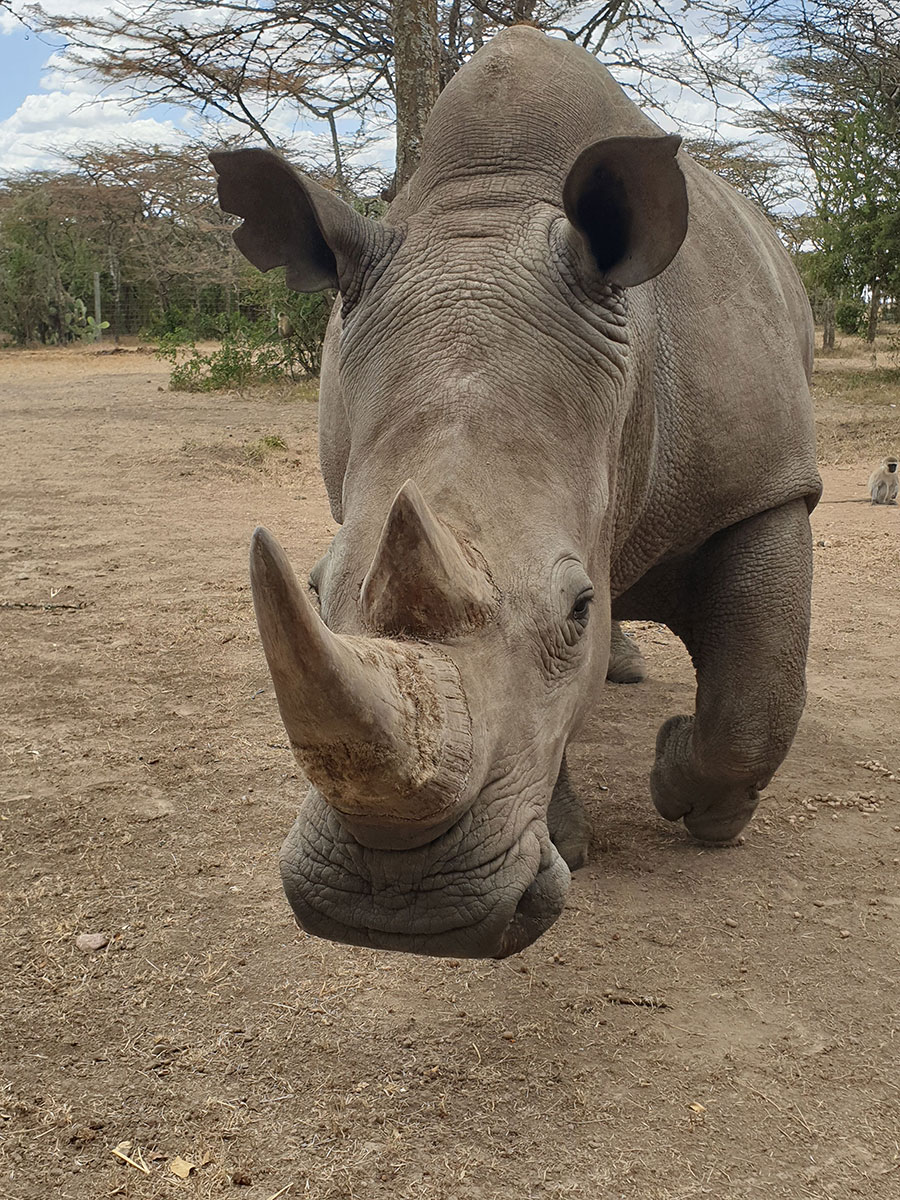
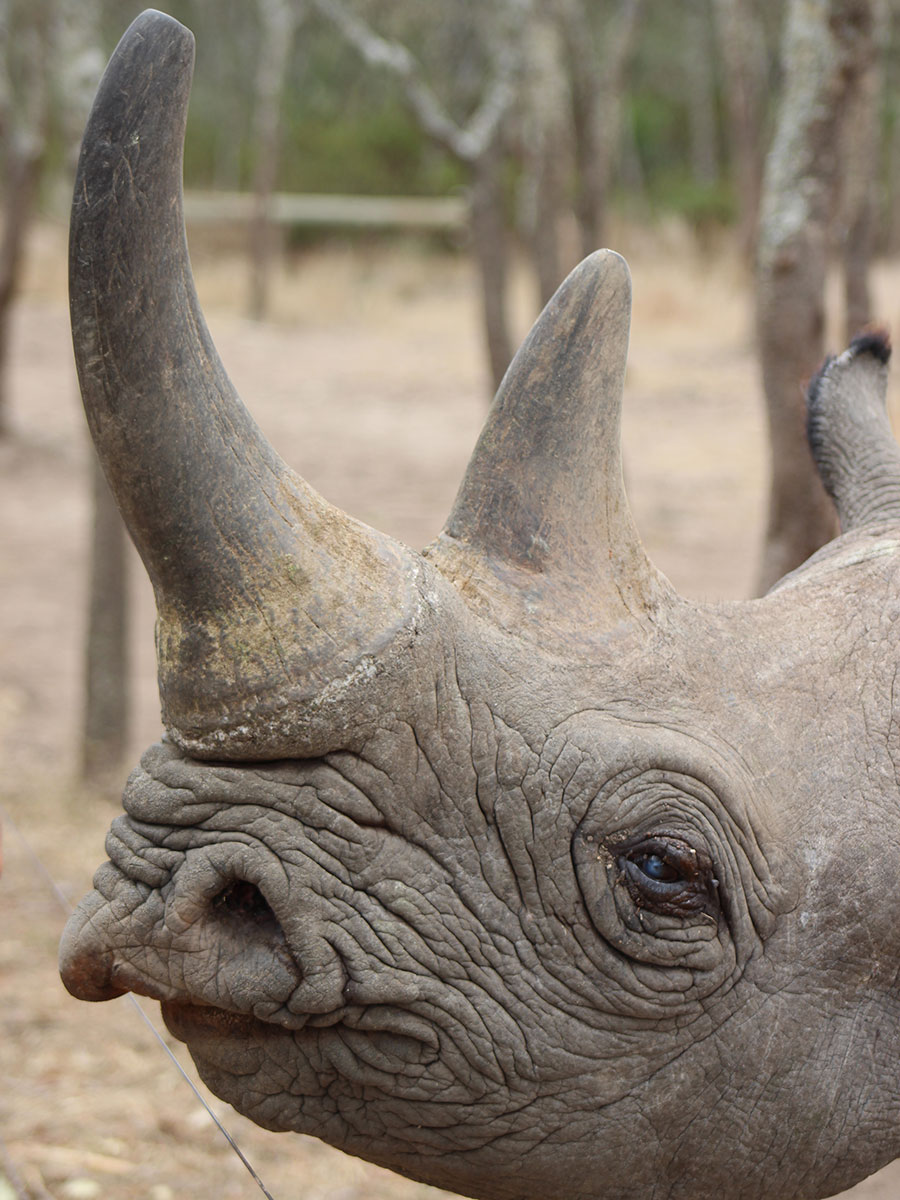


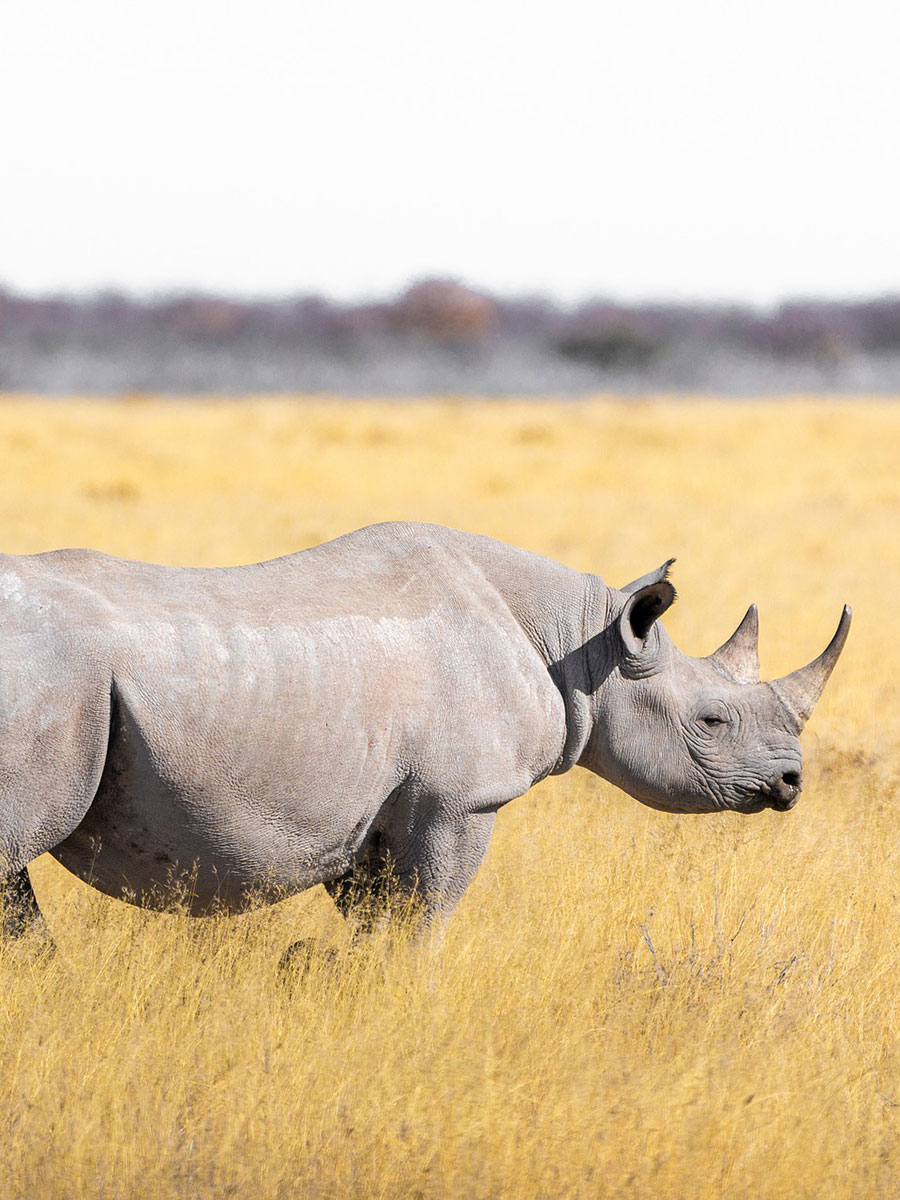

• Facts about the
    Rhino

Scientific name:
Rhinocerotidae

Life span:
White Rhino: 40-50 years
Black Rhino: 35-50 years

Conservation status:
White Rhino: Near threatened (all white rhinos together)
Black Rhino: Critically endangered

Gestation period:
White Rhino: 16-18 months
Black Rhino: 15-16 months

Rhinos usually only have 1 baby at a time. However, they can have twins.

rhino1 rhino2 rhino3

There are about

27,300

rhinos left in the world today.

Black rhino = over

5,500

White rhino = Under

17,000

There are only

2

northern white rhinos left in the world and they are both female! They are both in Ol Pejeta conservancy.

Around

3

rhinos get poached each day.

Why are rhinos being poached?

One of the main reasons rhinos are being poached is for their horns. The horns are predominately being used in traditional Chinese medicine. However, it is increasingly being used as a symbol of prosperity and wealth.

Rhino horns are not made of ivory as some people think. They are actually made of keratin! This is a protein found in hair, fingernails and animal hooves.

Scientists say that rhino horns have no medicinal value. However, the Vietnamese think that drinking a tonic made from their horns will detoxify the body after a heavy night of drinking, and will prevent a hangover.

A rhino horn costs $300,000 because Vietnam believes that it cures hangovers and cancer!

Vietnam’s hunger for rhino horns are so great, that now, a rhino horn costs $100,000 per kg, which makes it worth than its weight in gold (horns average around 1-3kgs, depending on the species).

rhino5 rhino6 rhino7

Interesting Facts

- These large animals are known for their horns that grows from their snout.

- “Rhinoceros” means nose horn.

- A group of rhinos is called a ‘crash’.

- Female rhinos are called ‘cows’ and males are called ‘bulls’.

- Rhinos have a bad eyesight. However they have very strong hearing and a rhino’s sense of smell is very important. Its ears are able to rotate which lets the animal distinguish sounds that are all around them with equal intensity. The ears
are cup-shaped which allows the rhinos to catch sounds effectively and direct them to their inner ear. The sense of smell is very important as it helps the rhino detect things that it might not be able to see or hear. The rhino’s sense of touch and taste are present but they do not really help with survival. Since rhinos are herbivores, they don’t need special taste buds to see whether the food is fresh or not.

Eating habits:

- White rhinos have a flat, wide upper lip which allows the animal to graze on short grass.

- Black rhinos have a pointed upper lip which allows them to pull twigs, leaves and strip wood. They also feed on succulent plants. When the plants are lush (during wet season), they eat the whole plant rather then just the fruits and leaves. However, they consume little grass compared to the white rhino.


Why are rhinos important?

- Rhino grazing helps maintain grasslands, which helps other species. Researchers have discovered that where there are more rhinos, the biodiversity of plants and animals is greater.

- Not only do grasslands provide food for many species but they play an essential globe role. They act as natural carbon sinks: storage lockers for carbon dioxide in the atmosphere. If rhinos go extinct, it would create a disaster not only for African savannahs, but the entire planet!