• Facts about the
    Elephant

Scientific name:
Loxodonta Africana

Life span:
60-70 years

Conservation status:
Vulnerable (however, the population is increasing)

Gestation period:
22 months (1 year and 10 months) (longest gestation period of any animal). Elephants usually give birth to one elephant at a time but it is also possible to have twins. In her lifetime, an elephant mother can give birth to as many as twelve calves.
- Elephants are the largest existing land animals! A male adult can reach up to 3m tall and weigh between 4,000-7,500kg.

- A group of elephants is called a herd or parade

- Humans are the only predators to adult African elephants.

- The population has fallen from an estimated

12 Million

a century ago to only

700,000

- Around

100

elephants die in a day.

- There are only about

415,000

elephants in Africa.

- There are more elephants being poached than elephants being born.

- With significant declines in East Africa, poaching continues to steer the species nearer to extinction. 

Why are elephants being poached?

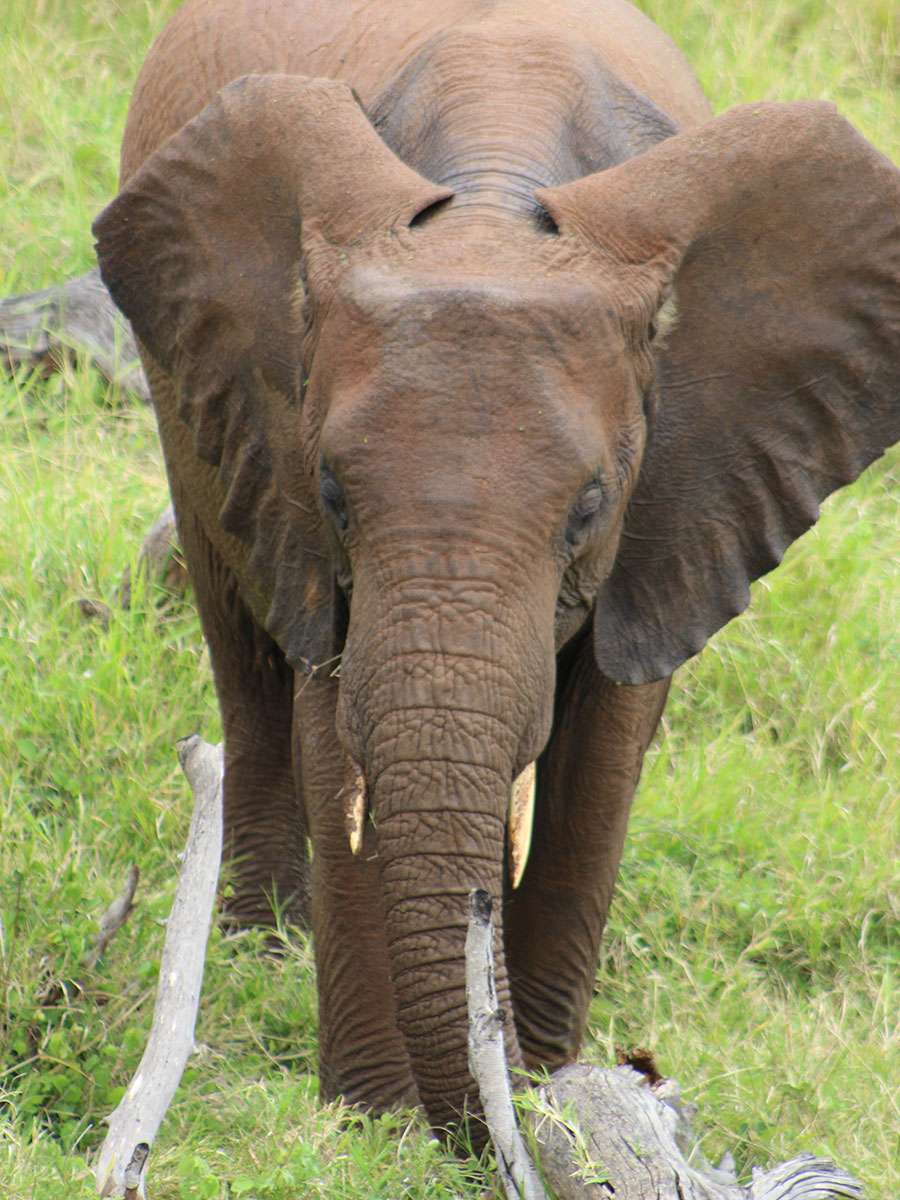
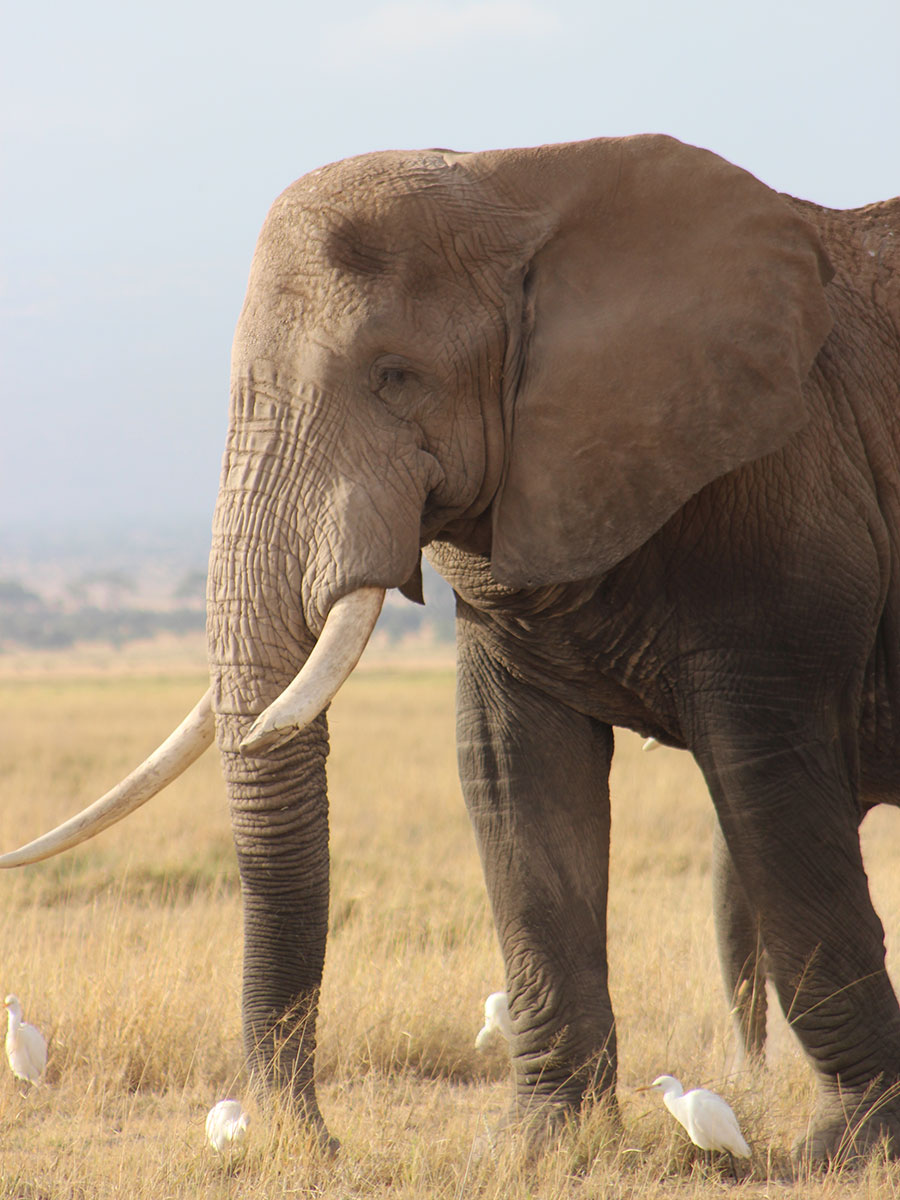
Elephants are hunted for their tusks, which are made of ivory. This ivory is often carved into ornaments or jewelery.

Although there has been a ban on the international trade of ivory, African elephants are still being poached in large numbers. Tens of thousands of elephants are killed just for their ivory tusks.

China is the biggest consumer market for these products.

The African elephant population is also decreasing because humans are using the same land to ‘build, farm, live etc.

Interesting Facts

- Elephants families are led by females.

- Elephants are very emotional creatures. Even though elephants can live for 60-70 years, they often die before that age because of injury or disease. Like humans, elephants get emotional when they experience other elephants passing. They become silent and take time some time to mourn for the dead elephant. Sometimes, they even cover their dead relatives with grass or soil.

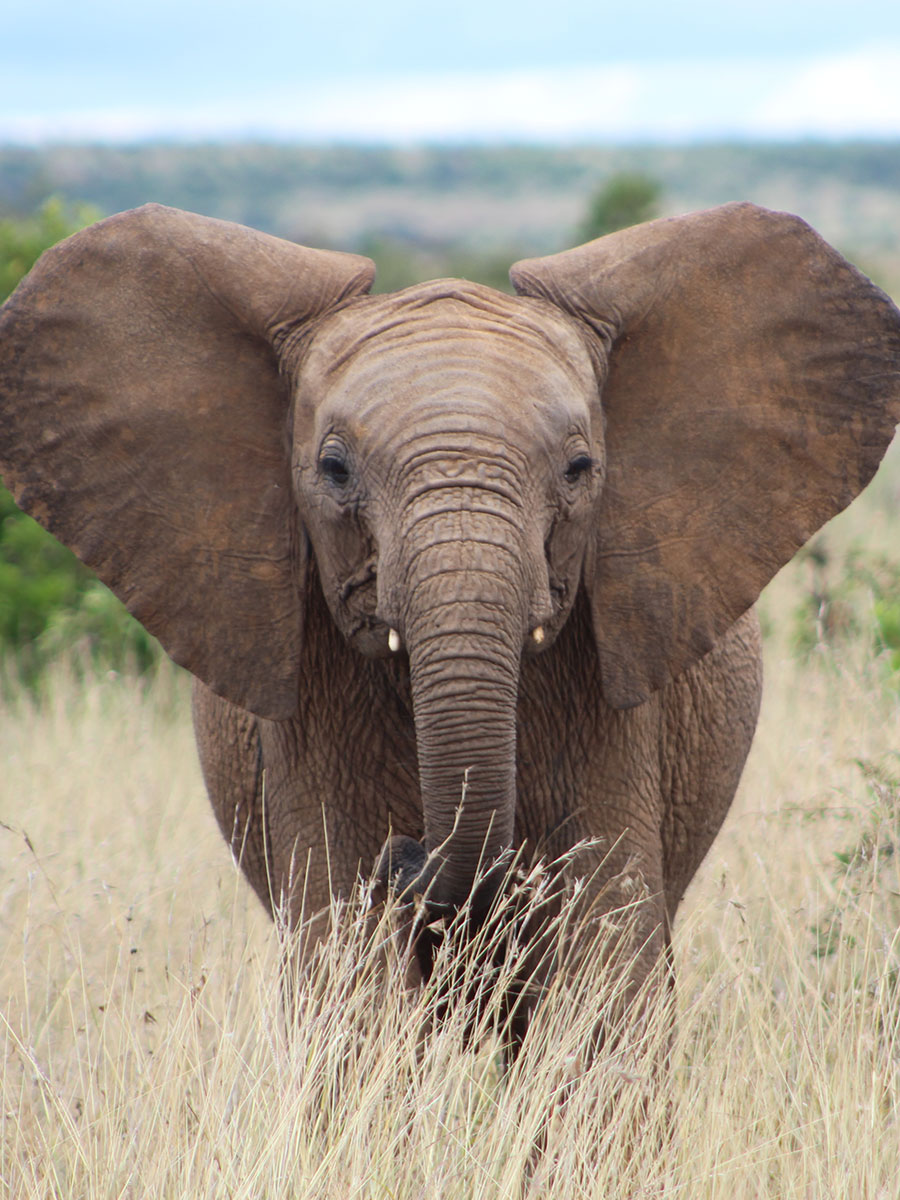
- Elephants have huge brains (5kgs) – they are very intelligent, wise and they have a strong memory.

- If you look closely, you can see that males have a generally round head compared to the female’s more square head.

- The elephant trunk has over 40,000 muscles. It is used to smell, grab objects/food, lift, drink, dig and balance.

- African elephants communicate with each other through a type of growling noise. To signal danger, they make a loud ear-splitting sound. They can also make very low frequency noises that can travel up to 7km.

- Elephants eat between 149 and 169kg of vegetation daily.

- Nearly 80% of an elephants day is spent feeding.

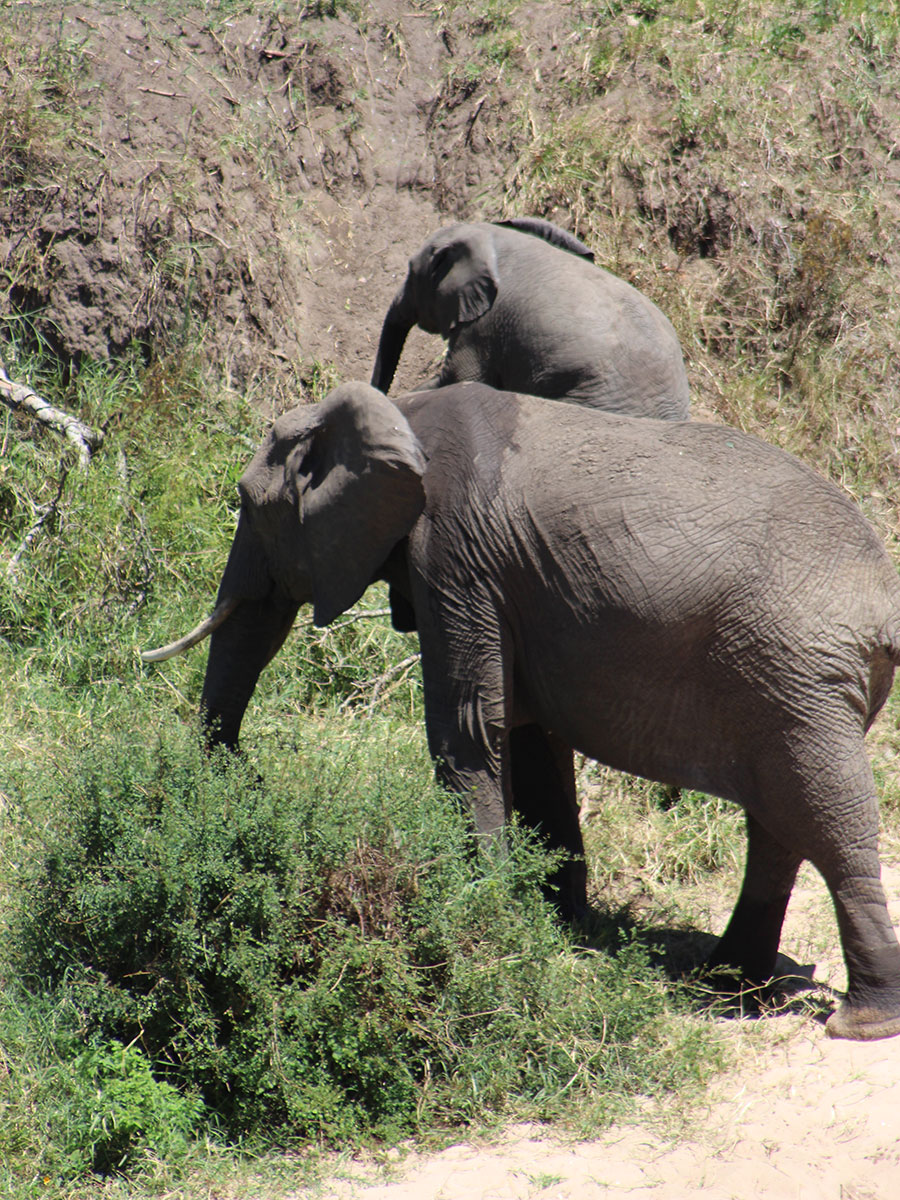
- Elephants eat grass, small plants, bushes, fruit, twigs, tree bark and roots.

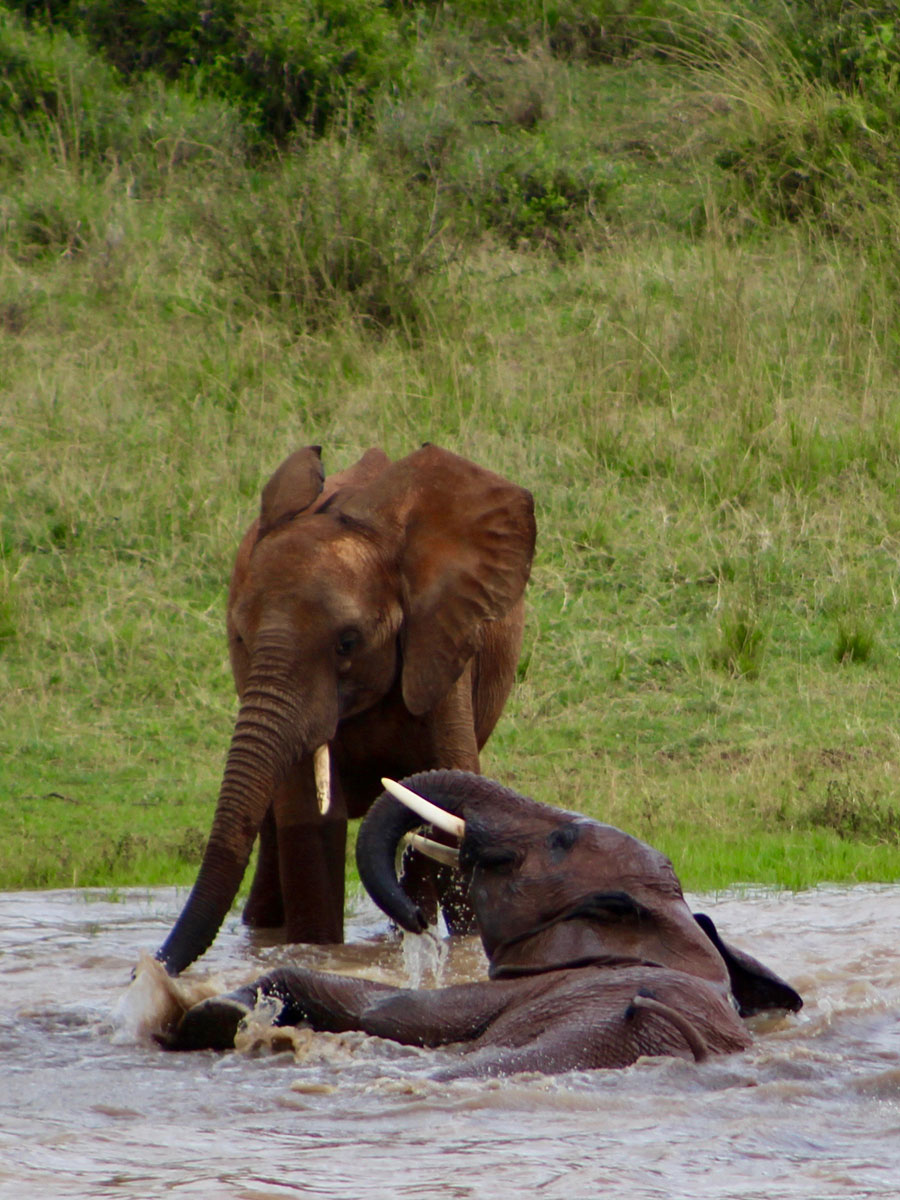
- An adult male elephant can drink up to 212 litres in less then 5 minutes!
Why are elephants important?

- During the dry seasons, elephants use their tusks to dig for water. This also helps the other animals.

- When they eat, they create a gap in the vegetation, allowing new plants to grow and creating pathways for smaller animals to use.

- Some tree species completely rely on elephants for their seed dispersal. When elephants leave their dung, it is full of seeds from many plants. The seeds which are deposited are sown and it grows into new grass, bushes and trees, boosting the health of the ecosystem.